
Key takeaways
- The modern heritage direction pairs traditional rug motifs with contemporary furniture.
- Choose the rug layout before choosing the pattern: furniture changes which parts of the design remain visible.
- A restrained palette and generous plain surfaces help a patterned rug feel at home in a modern living room.
- Persian-inspired design describes an appearance; it does not establish where or how a rug was made.
A Persian rug can bring character to a modern living room without requiring a traditional decorating scheme. A clean-lined sofa, a simple table and a little breathing space let floral borders, scrolling vines and geometric details become part of everyday life. The useful question is how to balance the rug with the furniture you already own.
That approach feels especially relevant in October 2026. Recent design-fair coverage has put fresh attention on the relationship between historic motifs and contemporary interiors. Here is how to translate that modern heritage direction into a room that works beyond the season.
Why modern heritage rugs feel current in 2026
In its 13 October report from Decorex 2026, COVER describes Persian-inspired patterns, softened heritage palettes and artistic approaches to rug design. Its September trend preview for COVER Connect New York also identifies modern heritage as a direction, with floral and lattice motifs interpreted in gentler colours.
Our styling interpretation is to give a detailed rug a clear role in a contemporary room. It might supply the main pattern, connect warm wood with pale upholstery, or make a newly furnished space feel more personal. You can explore this idea with a rug you already own.
1. Start with furniture placement, then choose the motif
Sketch the sofa, chairs and coffee table before looking closely at designs. A central medallion may be a beautiful focal point in an open arrangement, but a large opaque table can conceal it. An all-over pattern distributes interest across the field; a border-led design draws attention to the edge of the seating area.
Mark a proposed rug outline with removable tape suitable for your floor. Test an arrangement with the sofa’s front feet on the rug, then check whether the chairs still belong to the same group. Walk through the room as you normally would: access to a doorway matters more than achieving a perfectly symmetrical photograph.
For help recognising those compositions, read our guide to medallions, borders and the space between.
2. Choose a palette from the room you have
Begin with the largest existing surfaces: floor, sofa, curtains and walls. Against warm oak and cream upholstery, compare an ivory-ground rug with muted rust details and a deeper brown-ground alternative. Beside a cool grey sofa, test a restrained blue or olive accent before deciding whether a warmer palette is comfortable in the room.
Pick one secondary rug colour to repeat in a cushion, ceramic or artwork. Let other fabrics stay relatively quiet. Repeating every shade can make the arrangement feel overly coordinated, while leaving the rug completely isolated may make its colours feel accidental.
Check the actual piece or a representative sample in daylight and under the lamps you use at night. Screen images cannot reliably show undertones. Our autumn 2026 colour and texture guide offers a broader look at the season’s palette.
3. Give traditional pattern space beside modern shapes
Try a plain sofa with a rug that has small, repeated motifs. A simple coffee table creates a useful pause between the upholstery and the patterned floor. If your seating is curved or sculptural, compare a more regular rug layout to see whether it gives the arrangement a clearer structure.
In a compact living room, first assess how much patterned surface remains visible around the table. A smaller motif may read as texture from the doorway, whereas a large isolated motif needs enough exposed field to make sense. Neither approach is automatically better for a small room; the furniture footprint decides much of the result.
Before buying anything else, remove one competing patterned accessory and reassess the room. A simpler cushion or plain throw may be all the editing the scheme needs.
4. Separate a heritage look from origin and construction
A newly made rug can reference Persian design without being an antique or having been woven in Iran. Similarly, a traditional-looking pattern does not tell you whether a rug is hand-knotted, hand-tufted or machine-made. Ask for the stated country of origin, construction, fibre composition, dimensions and condition.
If age or provenance matters to you, request the seller’s description and supporting information rather than inferring them from a faded palette. For everyday use, discuss pile, backing and the appropriate underlay for your floor. A visually delicate pattern and a physically delicate construction are different questions.
Our hand-knotted versus machine-made buying guide explains what to check when comparing pieces.
A simple room-planning brief to bring with you
Prepare these details before visiting a showroom or asking for a shortlist:
- Layout: room dimensions, sofa and table sizes, and a photograph taken from the main doorway.
- Visible design: whether you want a central feature, an all-over pattern or a decorative border.
- Colour: photographs or samples of the flooring, upholstery and curtains.
- Daily use: walking routes, children or pets, and any doors that must clear the rug.
- Priorities: your budget, preferred construction and any specific origin or material requirements.
When a standard size leaves the furniture arrangement feeling unresolved, a bespoke rug commission can be worth discussing. Start with the layout and dimensions before refining the decorative details.
Frequently asked questions
Can a Persian rug work with a modern sofa?
Yes. Start with the relationship between the sofa’s shape and the rug’s pattern. Plain upholstery allows more detail underfoot; a patterned sofa may benefit from a quieter palette and fewer competing accessories.
Does a Persian-inspired rug have to be antique?
No. The description refers to design influences. Ask separately about age, country of origin and construction so you know what the particular piece actually is.
Should I replace an existing traditional rug to follow the 2026 trend?
Try repositioning it first. Adjusting the seating, simplifying nearby textiles or choosing a table that reveals more of the field can give the same rug a different relationship with the room.
Find a rug that belongs in your room
Browse the Azar Rugs collection or send our London team your room photograph and measurements. We can discuss size, design and construction in relation to your space.
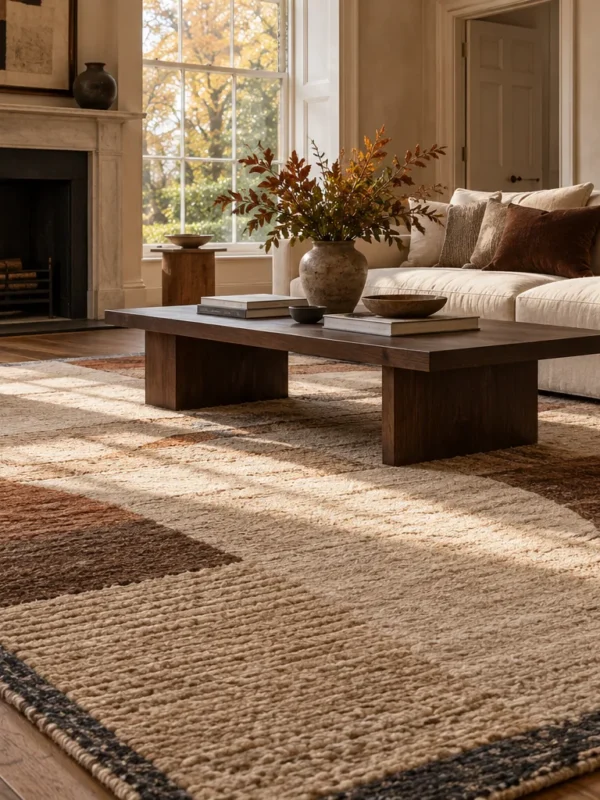
Image note: the cover is an original AI-generated interior concept created for this article. It illustrates Persian-inspired styling and does not depict a specific Azar Rugs product, an authenticated antique or a completed client project.
Trend references checked on 25 October 2026. The linked COVER reports provide the design-fair context; the room-planning guidance is this journal’s editorial interpretation. No sales ranking or claim of participation in those exhibitions is implied.