Key takeaways
- Describe the room first: photographs from more than one corner, a measured plan, fixed joinery and any furniture that must stay.
- Keep room size and finished rug size separate, and mark the proposed outline on your plan and on the floor.
- Bring a small, edited colour palette and review physical samples in the room’s own light.
- Put fibre, construction, budget, date and quotation terms in writing early.
A bespoke rug begins with a clear conversation. The most useful brief explains the room, the people who use it and the decisions the rug needs to resolve. Beautiful reference images help, but a few accurate measurements and practical details will do more to move the project forward.
Azar Rugs offers bespoke rug commissions in handmade and machine-made constructions. Start by describing the result you want, then discuss which approach suits the design, intended use and budget.
Describe the room before the rug
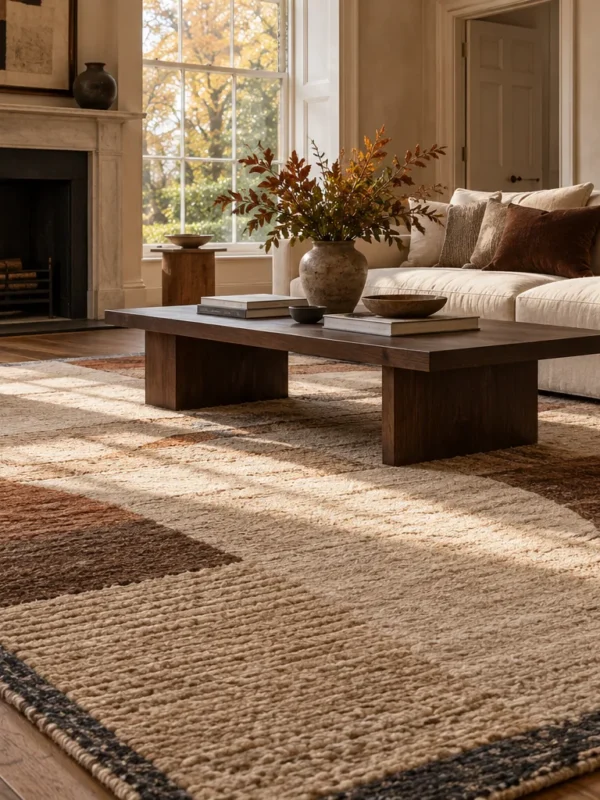
Share photographs taken from more than one corner, plus a simple plan with dimensions. Include doorways, fixed joinery, fireplaces and any furniture that must stay. Tell the team whether the space is a private sitting room, a bedroom, a reception area or somewhere used throughout the working day.
Explain what is not working now. Perhaps a standard size leaves the seating group disconnected, a pattern disappears under a table, or the available colours compete with an existing fabric. A specific problem gives a designer something useful to solve.
Separate the room size from the finished rug size
A room measurement and a rug measurement are different pieces of information. Mark the proposed rug outline on your plan and, where possible, on the floor. Record how it will sit beneath the furniture and where you want to see an exposed border.
For an unusual shape, show every recess, curve or obstruction. Ask the team how the finished dimensions, tolerances, edge treatment and any shaped sections will be documented for approval.
Bring a small, edited colour palette
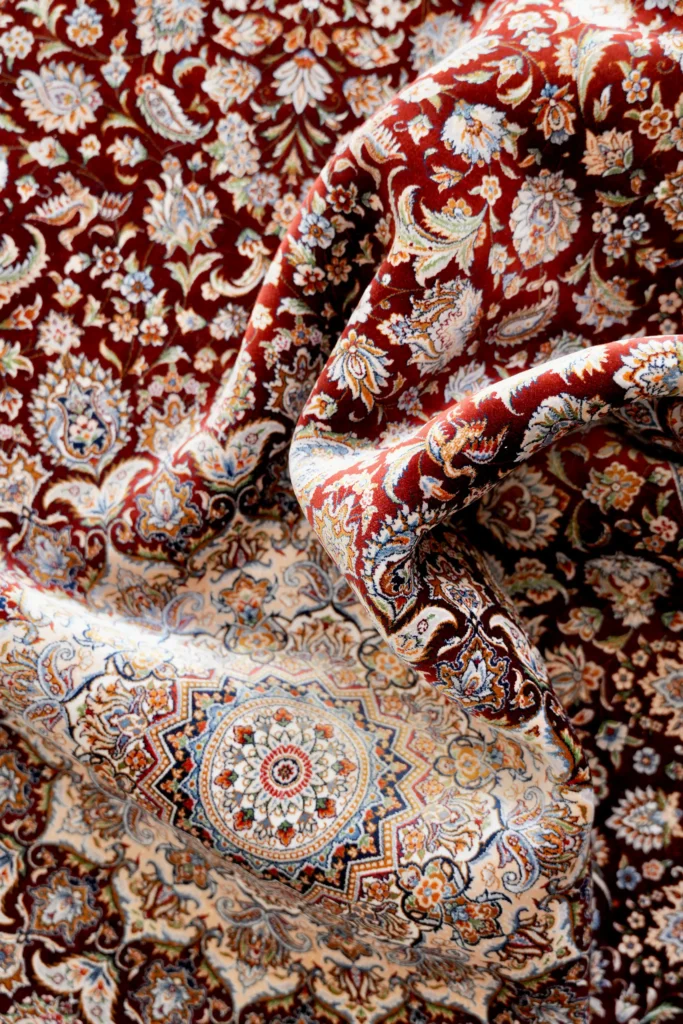
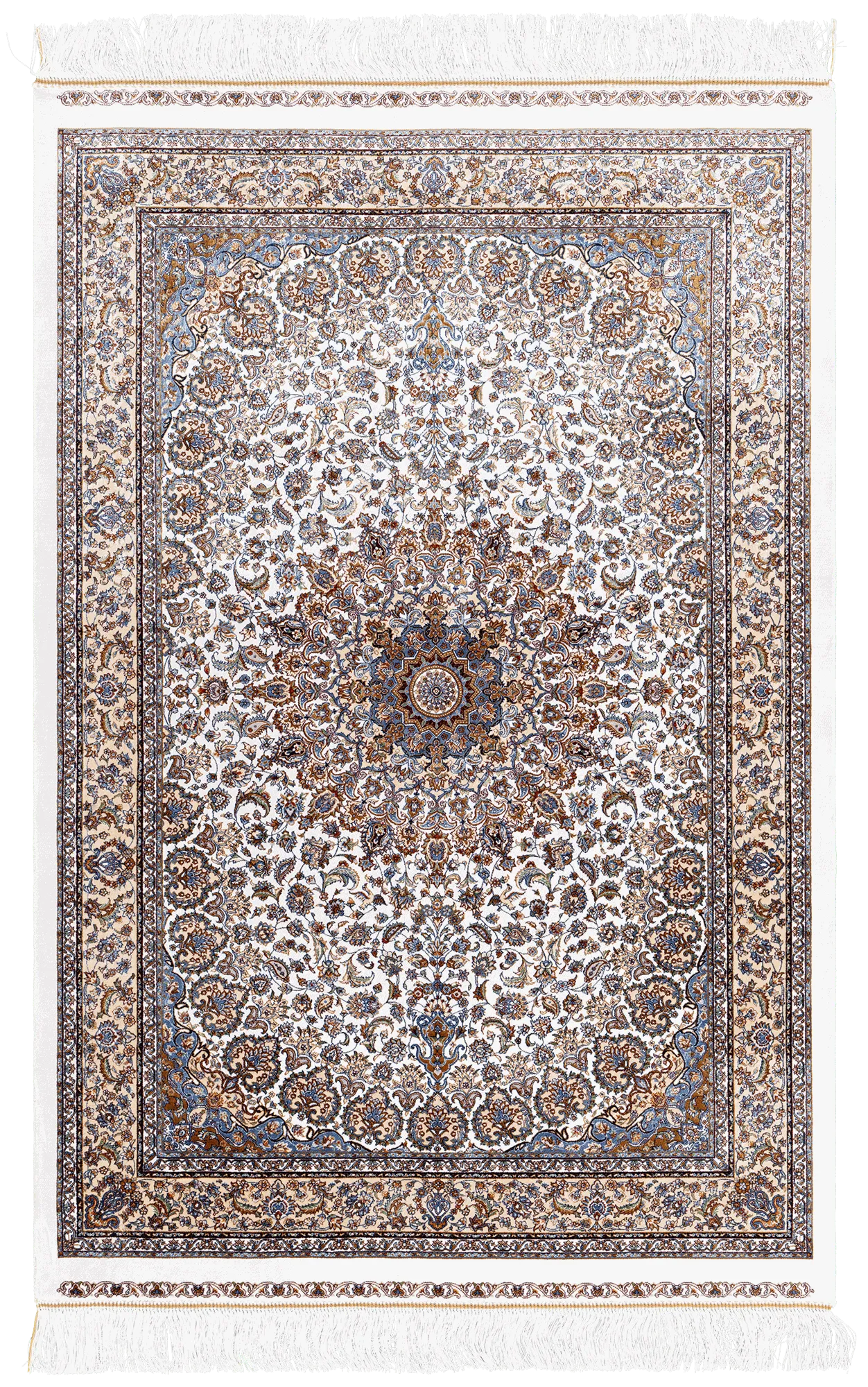
Choose the materials that genuinely anchor the room: a fabric you will keep, a floor finish, a paint reference or a favourite artwork. Identify which shades must be close matches and which can be interpreted more freely.
Digital photographs are a useful starting point, but screens cannot settle a physical colour decision. Discuss the available sample process and review samples in the room’s own light before approving the palette. Keep a record of the version you approve.
Explain how you want the design to read
Instead of collecting dozens of unrelated reference images, choose a few and explain each one. You might like the openness of one field, the scale of another border or the restraint of a particular colour combination.
Make clear which elements are essential and where the designer can propose alternatives. Our guide to reading a rug design gives you a practical vocabulary for that conversation.
Put practical requirements in writing
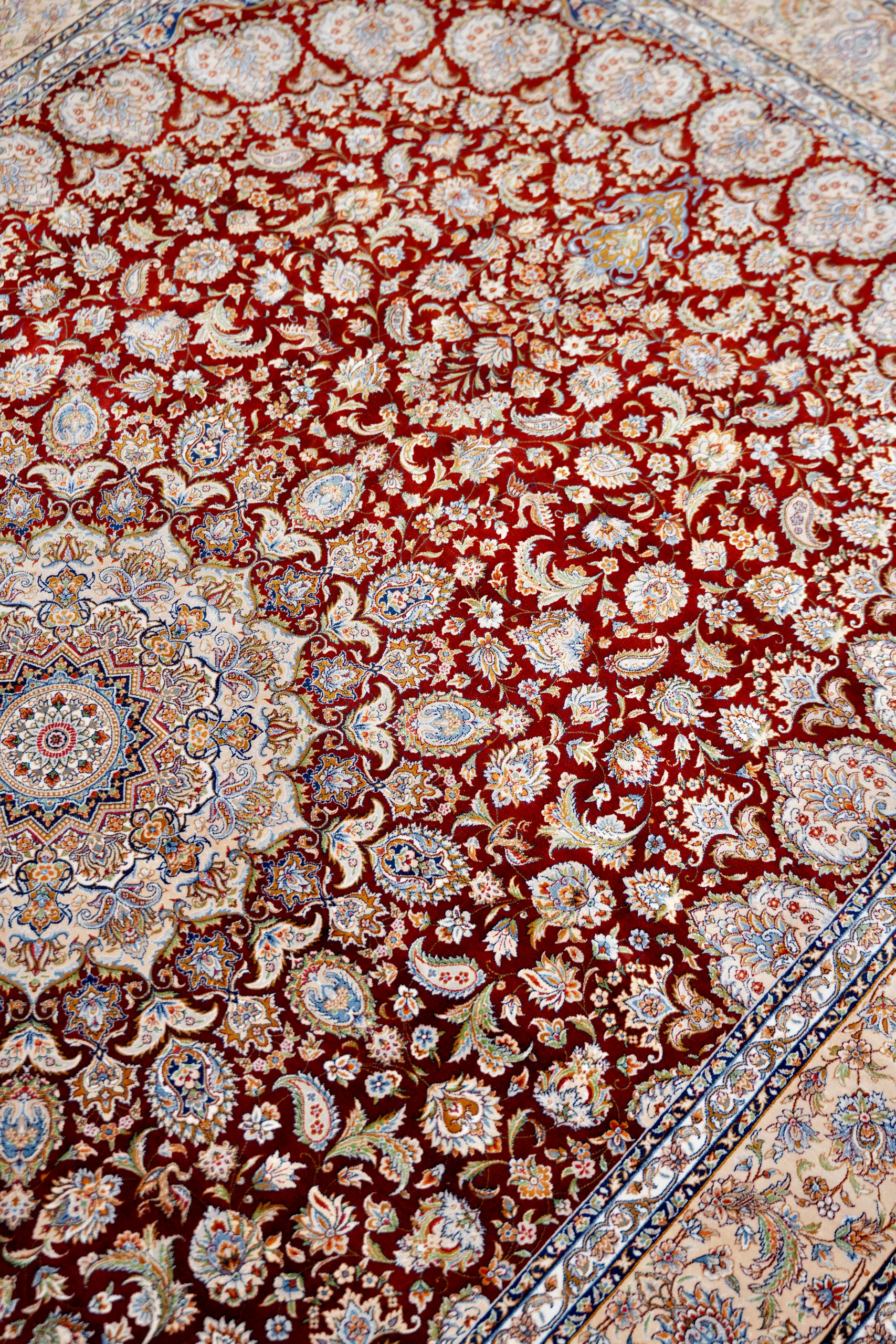
Tell the team about furniture movement, likely foot traffic, pets, door clearance and your expectations for care. Ask for the proposed fibre content and construction to be stated clearly, rather than choosing on the basis of a photograph alone.
Share your budget and required date early. Request a written quotation and confirm what it includes, the approval stages, payment schedule, delivery arrangements and terms that apply to a custom order. Agree the project-specific lead time before committing.
A brief you can send today
- Room photographs and a measured plan.
- Proposed rug dimensions and furniture positions.
- A few annotated design references and physical colour references where available.
- Preferred feel, construction and practical requirements.
- Budget, delivery location and target date.
- The questions you want answered before approving samples and production.
You do not need every answer at the first meeting. A clear starting brief makes it easier to distinguish a fixed requirement from a decision worth exploring. Send your brief to the Azar Rugs team to begin that conversation.